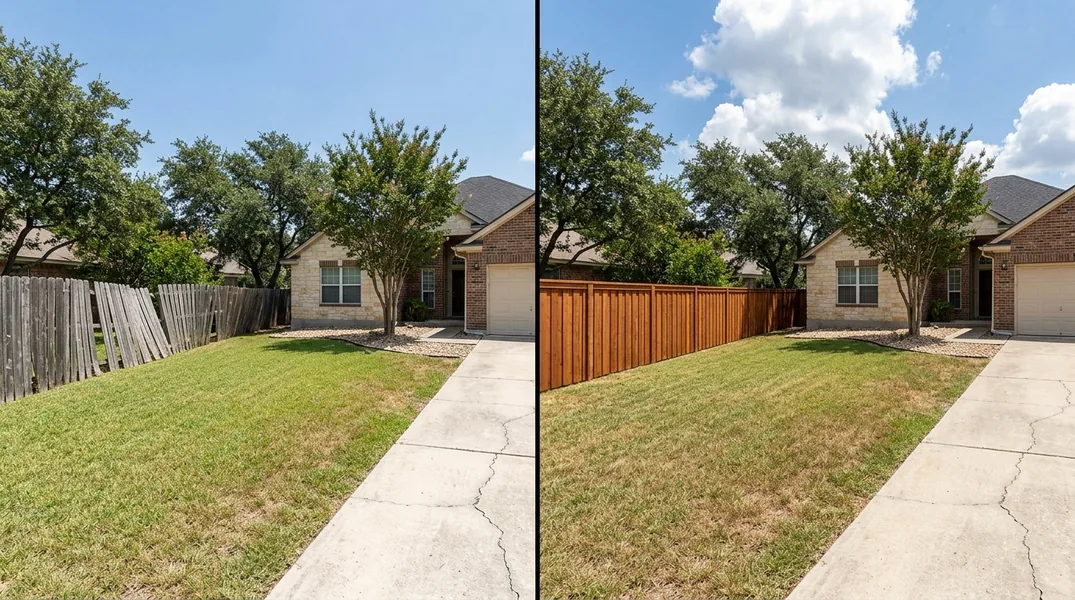
Understanding San Antonio's Climate Challenges for Fencing
San Antonio experiences a subtropical climate with hot, dry summers and mild winters, but the real challenge for fencing materials comes from the intense UV exposure, occasional heavy rainfall, and temperature fluctuations that can stress both wood and vinyl. Homeowners in the area face unique conditions that can accelerate wear and tear on fencing materials far faster than in milder climates. Understanding how each material responds to these specific environmental pressures is essential before making a significant investment in your property's perimeter.
The Texas heat can push temperatures above 95 degrees Fahrenheit for extended periods, and the sun's rays are relentless. Combined with the occasional freeze during winter months, these temperature swings create expansion and contraction cycles that test the integrity of fencing materials year after year. This is why choosing the right material isn't just about aesthetics or initial cost, it's about long-term performance and your peace of mind.
Wood Fence Durability and Maintenance in San Antonio Heat
Wood & Privacy Fence Installation remains a popular choice for homeowners who value the natural beauty and classic appearance that only wood can provide. However, in San Antonio's climate, wood requires honest consideration. Cedar and pressure-treated pine are the most common choices for the region, with cedar offering natural rot resistance and a more attractive appearance, while pressure-treated lumber provides better longevity at a lower price point. Both materials will eventually succumb to the elements without proper care.
The maintenance reality of wood fencing in San Antonio cannot be overstated. You'll need to inspect your fence annually for signs of rot, insect damage, and weathering. Most wood fences benefit from staining or sealing every two to three years to protect against the intense sun and occasional moisture. Left untreated, wood can warp, crack, and develop mold or mildew, particularly in shaded areas where moisture lingers. Over a ten-year period, you're looking at multiple refinishing cycles, potential board replacement, and regular upkeep that demands both time and money. For homeowners who enjoy the character of wood and are willing to invest in maintenance, this can be a rewarding choice. For those seeking a more hands-off approach, wood may prove frustrating.
Vinyl Fence: The Low-Maintenance Alternative for Texas Summers
Vinyl & PVC Fence Installation has gained significant traction in recent years, particularly in hot, sunny climates like San Antonio. Vinyl fencing is manufactured from PVC plastic, a material that doesn't rot, splinter, or require painting and staining. For homeowners seeking the best low maintenance fence option, vinyl often emerges as the clear winner. The material resists UV damage better than wood, doesn't attract insects, and won't develop mold or mildew in the way wood does.
Maintenance for vinyl is genuinely minimal. Occasional washing with a garden hose and mild soap is typically all that's needed to keep your fence looking new. There's no staining, sealing, or refinishing required. Vinyl won't warp in the Texas heat or crack during temperature fluctuations the way wood can. However, vinyl does have limitations. Extreme heat can cause slight expansion, and while modern vinyl is more impact-resistant than older versions, it can still crack if struck forcefully. Additionally, vinyl's appearance, while clean and modern, lacks the natural warmth and character that wood provides. Some homeowners also note that vinyl can become brittle in extremely cold conditions, though this is less of a concern in San Antonio's relatively mild winters.
Vinyl vs Wood Fence Cost: Initial Investment and Long-Term Expenses
When comparing pricing for vinyl versus wood fencing, the initial installation cost typically favors wood. A wood privacy fence generally costs less upfront than a comparable vinyl fence, making it attractive to budget-conscious homeowners. However, this lower initial investment can be misleading when you factor in long-term maintenance and replacement costs. Wood fencing requires regular refinishing, occasional board replacement due to rot or damage, and potential structural repairs. Over a fifteen to twenty-year period, these accumulated expenses can significantly exceed the initial savings.
Vinyl fencing carries a higher upfront cost, but the total cost of ownership often favors vinyl when you account for minimal maintenance requirements. You won't be spending money on stain, sealant, or replacement boards year after year. Vinyl typically lasts twenty to thirty years with proper installation, and your only expenses are occasional cleaning and rare repairs. For homeowners planning to stay in their property long-term, vinyl frequently proves to be the more economical choice despite its higher initial price tag. San Antonio Fence Company can provide a detailed free estimate that breaks down both materials' costs and helps you make an informed decision based on your specific property and budget.
Aesthetic Appeal and Property Value Considerations
The visual impact of your fence choice shouldn't be underestimated. Wood fencing offers timeless beauty and natural warmth that appeals to many homeowners and can enhance curb appeal in certain neighborhoods. A well-maintained wood fence conveys craftsmanship and attention to detail, and it blends seamlessly with landscaping and natural surroundings. If you're in a historic or traditional neighborhood in San Antonio, wood may align better with community aesthetics and expectations.
Vinyl fencing, while modern and clean-looking, offers less variety in appearance. It typically comes in white, gray, or tan, and while manufacturers have improved vinyl's aesthetic options over the years, it still lacks the natural variation and character of wood grain. Some buyers perceive vinyl as less premium or desirable, which could theoretically impact resale value in certain markets. However, the practical benefits of vinyl, particularly its low maintenance nature, appeal to many buyers who value convenience over traditional aesthetics. Ultimately, your choice should reflect both your personal preferences and the character of your neighborhood.
Making Your Decision: Which Fence Material Is Right for You
Choosing between wood and vinyl fencing comes down to your priorities, lifestyle, and long-term plans. If you value natural beauty, enjoy hands-on home maintenance, and plan to invest time in keeping your fence pristine, wood can be a rewarding choice. If you prioritize convenience, want to minimize ongoing maintenance, and view your fence as a functional property boundary rather than a design statement, vinyl is likely your best option for San Antonio's climate.
Consider how long you plan to stay in your home, your budget for both initial installation and ongoing maintenance, and the aesthetic standards of your neighborhood. San Antonio Fence Company specializes in both Wood & Privacy Fence Installation and Vinyl & PVC Fence Installation, and our experienced team can discuss the pros and cons of each material specific to your property and situation. We encourage you to reach out for a free estimate or call us at (830) 266-4023 to discuss your fencing project in detail. Our goal is to help you make the choice that best serves your home and your lifestyle for years to come.
Looking for a professional tree service in San Antonio? San Antonio Fence Company responds fast for all your fence needs.
Get a Free Quote