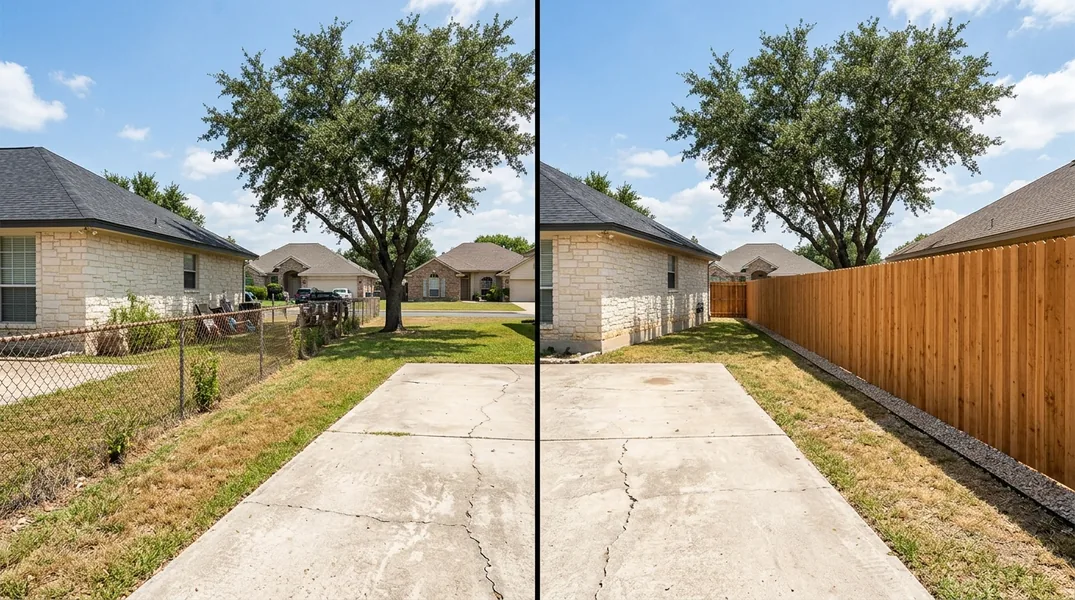
How Long Does a Wood Fence Last in San Antonio?
If you've invested in Wood & Privacy Fence Installation for your San Antonio home, you're probably wondering how many years you can expect it to stand strong. The typical lifespan of a wood fence ranges from 15 to 20 years, though this can vary significantly based on the type of wood, climate conditions, and how well you maintain it.
In San Antonio, where summers are hot and humid, and occasional heavy rains can occur, wood fences face unique environmental pressures. The intense sun exposure can cause wood to fade, crack, and warp over time. Additionally, the moisture in our Texas climate creates ideal conditions for rot, fungal growth, and termite activity, all of which can shorten your fence's lifespan if not properly managed. Premium wood species like cedar or redwood may last toward the upper end of that range (18-20 years), while pressure-treated pine typically lasts 15-17 years with proper care.
Key Factors That Affect Your Fence's Lifespan
Several factors determine whether your wood fence reaches 20 years or fails much sooner. The quality of the wood is paramount. Cedar and redwood naturally resist rot and insects better than standard pine, but they come at a higher cost. Pressure-treated lumber is more affordable and offers decent protection, though it still requires maintenance. The grade of the wood matters too; higher-grade lumber with tighter grain patterns and fewer knots tends to hold up better against the elements.
Maintenance is arguably the most critical factor. A wood fence that receives regular staining or sealing every 2-3 years will significantly outlast one that's left unprotected. Proper drainage around your fence posts, keeping vegetation trimmed back, and addressing small damage before it spreads can add years to your fence's life. Climate exposure also plays a huge role. Fences that receive direct afternoon sun in hot climates like ours experience more UV damage and moisture loss, accelerating deterioration. Finally, the quality of the initial installation matters. Professional installation ensures proper post depth, concrete footings, and spacing, all of which prevent premature failure.
Signs You Need a New Fence: What to Look For
Knowing when to replace a fence is essential for maintaining your property's safety and appearance. One of the earliest warning signs is visible rot, which appears as soft, discolored, or crumbly wood, typically near the base of posts or along horizontal boards. If you can easily push a screwdriver into the wood, rot has likely set in. Leaning or wobbly fence sections indicate that posts have weakened or shifted, compromising the entire structure's integrity. This is particularly concerning if you have children or pets, as a falling fence poses a serious safety hazard.
Widespread warping, cracking, or splitting across multiple boards suggests that your wood has lost its structural integrity and can no longer protect your property effectively. Termite damage is another red flag, evidenced by small holes, hollow-sounding wood, or mud tubes along the fence line. Excessive splinter formation, gaps between boards that have widened over time, or a fence that no longer stands level are all indicators that replacement is approaching. If you notice more than a few of these signs, it's time to consider your options rather than continuing expensive repairs on a failing structure.
Maintenance Tips to Extend Your Fence's Life
Even if your fence still has years of life left, regular maintenance can prevent premature failure and save you thousands in replacement costs. The most important step is to seal or stain your wood fence every 2-3 years, depending on how much sun and rain exposure it receives. This protective coating prevents moisture from penetrating the wood and protects against UV damage. Before applying any sealant, inspect the fence for damage, clean off mildew or algae with a soft brush, and make any necessary repairs to individual boards.
Keep vegetation trimmed back from your fence line. Overgrown vines, shrubs, and grass trap moisture against the wood and prevent air circulation, accelerating rot. Ensure that water drains properly away from your fence posts; standing water or poor drainage can lead to post failure within just a few years. Check your fence after heavy storms for damage, and address any issues immediately. Replace individual damaged boards rather than waiting until the problem spreads. Finally, inspect your posts annually for signs of termite activity or rot. Catching problems early can mean the difference between a simple repair and a complete fence replacement.
Wood & Privacy Fence Installation Cost in San Antonio: What to Budget
When it comes time to replace your fence, understanding the investment required helps you plan accordingly. The cost of a new Wood & Privacy Fence Installation in San Antonio depends on several variables including the type of wood, the height and length of your fence, site conditions, and labor costs. Pressure-treated pine is the most budget-friendly option, while cedar or redwood commands a premium. A typical residential privacy fence installation can range significantly based on these factors, but San Antonio Fence Company can provide you with an accurate estimate tailored to your specific project.
Beyond the initial installation, factor in ongoing maintenance costs. Annual or biennial sealing and staining typically runs between a few hundred to over a thousand dollars depending on your fence size, but this investment extends your fence's lifespan by years. It's worth comparing the long-term cost of maintaining a wood fence against alternatives like Vinyl & PVC Fence Installation, which requires less maintenance but has different upfront costs. To get a detailed breakdown of pricing for your specific situation, contact San Antonio Fence Company at (830) 266-4023 or request a free estimate today.
When to Call a Professional: Wood & Privacy Fence Installation Near Me
While some homeowners tackle fence repairs themselves, knowing when to call a professional can save you time, money, and frustration. If you notice structural issues like leaning posts, significant rot, or termite damage, professional assessment is essential. Installing a new fence requires proper post hole depth (typically 30-36 inches), secure concrete footings, and correct spacing to ensure longevity. DIY installation mistakes can result in a fence that fails prematurely or doesn't provide the privacy and security you need.
San Antonio Fence Company has the expertise, equipment, and local knowledge to handle wood fence installation and replacement properly. Our team understands the specific challenges that San Antonio homeowners face, from intense sun exposure to soil conditions that affect post stability. Whether you need a complete fence replacement or advice on extending your current fence's lifespan, we're here to help. Call us at (830) 266-4023 or visit our website to schedule your free estimate and discuss your fencing needs with a professional.
Looking for a professional tree service in San Antonio? San Antonio Fence Company responds fast for all your fence needs.
Get a Free Quote